Weather Guide Calendar 2024: A Comprehensive Overview
This 2024 guide leverages data from sources like NOAA and Weather Underground, emphasizing hyper-local accuracy via personal weather stations for detailed microclimate insights.
Welcome to the 2024 Weather Guide Calendar, designed to provide a comprehensive outlook on anticipated weather patterns throughout the year. This calendar isn’t simply about daily forecasts; it’s about understanding the broader trends and potential for extreme events. We’ll be drawing upon data from leading sources like NOAA, AccuWeather, and, crucially, Weather Underground – recognized for its exceptionally accurate, hyper-local information.
The strength of Weather Underground lies in its extensive network of personal weather stations (PWS), allowing for pinpointed forecasts considering unique microclimates. This calendar will explore seasonal expectations, regional highlights, and key phenomena like El Niño/La Niña, severe storms, and hurricane season predictions. Staying informed is paramount, and we’ll detail resources for alerts and preparedness.
Understanding Long-Range Weather Forecasting
Long-range forecasting, extending beyond typical 7-10 day predictions, relies on complex climate models and analysis of oceanic and atmospheric patterns. While inherently less precise than short-term forecasts, these projections are vital for planning and preparedness. Sources like NOAA utilize sophisticated models, but accuracy is significantly enhanced by incorporating real-time data from networks like Weather Underground’s personal weather stations (PWS).
These PWS contribute crucial microclimate information often missed by broader models. It’s important to remember that long-range forecasts present probabilities, not certainties. Factors like El Niño/La Niña significantly influence these predictions, and understanding their potential impact is key to interpreting the calendar’s outlook effectively.
Seasonal Weather Patterns in 2024
Seasonal trends in 2024 will be shaped by large-scale climate drivers, demanding attention to potential heatwaves, storms, and shifts in precipitation patterns.
Spring 2024: March, April, May – Expected Trends
Spring 2024 is anticipated to exhibit a complex interplay of weather patterns. Early March may retain lingering winter chill, gradually transitioning into milder temperatures by April. Precipitation levels are expected to be variable, with potential for increased rainfall in certain regions, possibly leading to localized flooding.
The influence of any ongoing El Niño or La Niña conditions will be crucial in determining the overall spring weather narrative. AccuWeather and NOAA data suggest a possibility of above-average temperatures across the eastern US, while the West Coast might experience a wetter-than-usual spring.
Utilizing hyper-local data from sources like Weather Underground, particularly from personal weather stations, will be vital for understanding microclimate variations and preparing for localized spring weather events. Monitoring for severe storm development will also be essential.
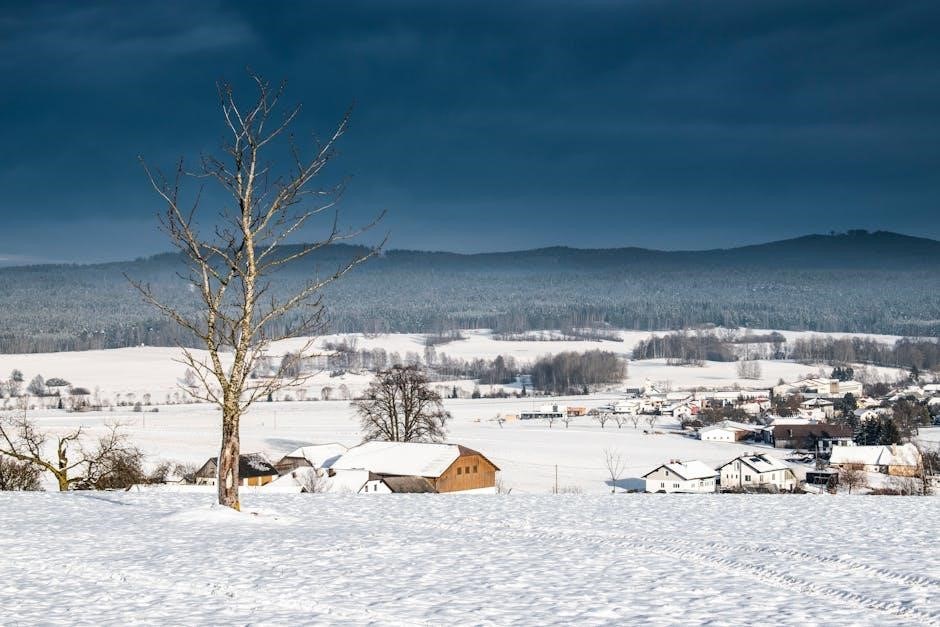
Summer 2024: June, July, August – Heatwaves and Precipitation
Summer 2024 is projected to bring intense heatwaves, particularly across the southern and central United States. NOAA forecasts suggest a higher probability of above-normal temperatures, increasing the risk of prolonged heat stress and wildfires. Precipitation patterns are expected to be unevenly distributed, with potential for drought conditions in some areas and heavy rainfall leading to flash floods in others.
Monitoring forecasts from AccuWeather and leveraging data from personal weather stations (PWS) via Weather Underground will be crucial for localized preparedness. The frequency and intensity of thunderstorms are also anticipated to be higher than average, potentially bringing severe weather risks.
Staying informed about heat advisories and utilizing cooling centers will be vital for public safety during peak heatwave periods.
Autumn 2024: September, October, November – Transition and Storms
Autumn 2024 is expected to be a period of significant weather transitions, marked by increasing storm activity. The Southeast US may experience a particularly active hurricane season tail end, while the Midwest could face an elevated risk of early-season severe storms and tornadoes. Cooler temperatures will gradually spread across the country, but with potential for unseasonable warm spells.
Utilizing data from NOAA and Weather Underground, especially insights from personal weather stations, will be key to tracking localized storm systems. Precipitation patterns will vary, with some regions experiencing above-average rainfall and others facing drier conditions.
Preparedness for both flooding and strong winds is advised throughout the autumn months.
Winter 2024: December, January, February – Cold Snaps and Snowfall
Winter 2024 forecasts suggest a highly variable pattern of cold snaps and snowfall across the US. The Northeast and Midwest are anticipated to experience below-average temperatures and increased snowfall, potentially leading to significant disruptions. The Southwest may see periods of unusually cold air, while the West Coast could face a mix of rain and mountain snow.
Accurate, hyper-local data from sources like Weather Underground, leveraging their network of personal weather stations, will be crucial for tracking localized cold air intrusions and snowfall events.
Emergency preparedness for power outages and winter storms is strongly recommended.

Regional Weather Highlights for 2024
Regional forecasts will utilize hyper-local data from networks like Weather Underground, providing detailed insights into varying conditions across the US throughout the year.
Northeast US Weather Outlook 2024
The Northeast in 2024 is anticipated to experience a variable weather pattern, heavily influenced by broader atmospheric conditions like El Niño or La Niña. Early forecasts suggest a potentially warmer-than-average spring, with increased precipitation events. Summer months could bring periods of intense heat and humidity, punctuated by strong thunderstorms.
Autumn promises a vibrant foliage season, but also an elevated risk of coastal storms and nor’easters. Winter is expected to be colder than recent years, with above-average snowfall, particularly in inland areas. Utilizing data from NOAA and Weather Underground, alongside personal weather stations, will be crucial for accurate, localized predictions. Residents should prepare for potential disruptions from severe weather, including power outages and travel delays, by staying informed through reliable weather alerts and notifications.
Southeast US Weather Outlook 2024
The Southeast US in 2024 faces a complex weather outlook, potentially marked by increased humidity and temperatures. Spring is expected to be warmer and wetter than average, fostering conditions favorable for severe thunderstorm development. Summer will likely bring prolonged heatwaves, demanding preparedness for heat-related illnesses.
Hurricane season poses a significant threat, with predictions leaning towards an active period. Monitoring forecasts from NOAA and Weather Underground is vital. Autumn may see a delayed transition to cooler temperatures, with lingering tropical moisture. Winter is projected to be milder, though occasional cold snaps are possible. Leveraging localized data from personal weather stations will enhance forecast accuracy, aiding in preparation for potential flooding, strong winds, and storm surges.
Midwest US Weather Outlook 2024
The Midwest in 2024 anticipates a year of weather extremes, demanding vigilant monitoring. Spring could bring above-average precipitation, increasing flood risks along major rivers. Summer is likely to feature intense heatwaves, potentially stressing agricultural yields and energy grids. Utilizing data from sources like AccuWeather and local PWS networks will be crucial.
Autumn may experience an early frost, impacting harvest seasons. Winter forecasts suggest a colder-than-average period with significant snowfall, potentially disrupting transportation. Staying informed through weather alerts and preparedness checklists is essential. The region’s variable terrain necessitates attention to microclimates, making hyper-local data from Weather Underground particularly valuable for accurate forecasting and safety.
Southwest US Weather Outlook 2024
The Southwest US in 2024 faces continued challenges with drought conditions, though potential shifts related to El Niño could bring increased precipitation. Spring may offer temporary relief, but summer is projected to be exceptionally hot, exacerbating wildfire risks. Accessing real-time data from NOAA and utilizing personal weather stations (PWS) will be vital for monitoring fire weather conditions.
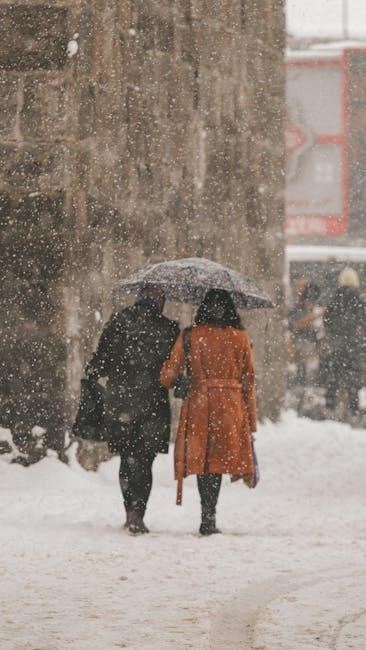
Autumn could see the tail end of monsoon season bringing localized heavy rainfall, while winter forecasts suggest a slightly wetter-than-average period, potentially aiding in drought recovery. However, temperature fluctuations remain a concern. Understanding microclimates, as detailed by Weather Underground, is crucial given the region’s diverse topography, ensuring accurate preparedness and safety measures.
West Coast US Weather Outlook 2024
The West Coast in 2024 anticipates a complex weather pattern, heavily influenced by potential El Niño developments. California, Oregon, and Washington may experience a wetter winter, offering respite from recent drought conditions, but also increasing the risk of flooding and landslides. Utilizing data from sources like Weather Underground, with its extensive PWS network, will be crucial for hyper-local monitoring.
Spring could bring moderate temperatures, while summer is expected to be warm with potential for heatwaves. Autumn may see an early start to the rainy season. Accurate forecasting, leveraging NOAA data, is vital for wildfire preparedness. Understanding microclimates along the coast is essential, given the varied terrain and localized weather phenomena.
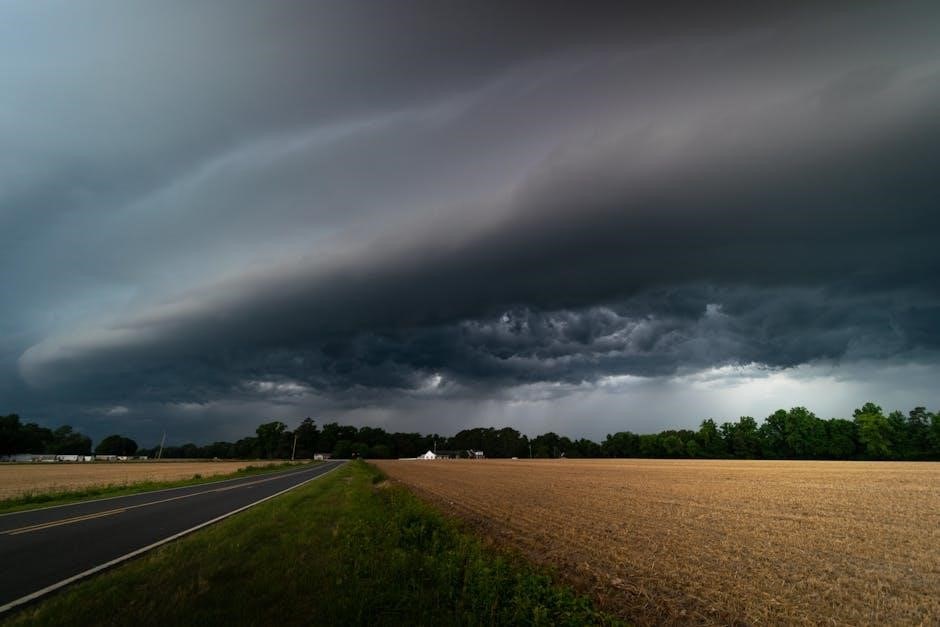
Key Weather Phenomena to Watch in 2024
Monitor El Niño/La Niña, severe storms, hurricane season, and heatwave intensity; accurate data from NOAA, AccuWeather, and PWS networks are essential.
El Niño/La Niña Impact on 2024 Weather
The shifting dynamics between El Niño and La Niña significantly influence global weather patterns. Understanding their potential impact is crucial for the 2024 weather calendar. El Niño, characterized by warmer-than-average sea surface temperatures in the central and eastern tropical Pacific Ocean, often correlates with increased precipitation in the southern US and warmer temperatures in the north. Conversely, La Niña, with cooler temperatures, tends to bring drier conditions to the south and colder temperatures to the north.
Currently, forecasts suggest a transition from El Niño towards potentially La Niña conditions later in 2024. This shift could alter expected seasonal trends, impacting everything from hurricane activity to winter snowfall. Utilizing data from sources like NOAA is vital for tracking these developments and adjusting preparedness strategies accordingly. The interplay of these phenomena demands continuous monitoring for accurate forecasting.
Potential for Severe Storms and Tornadoes in 2024
The 2024 weather calendar necessitates a keen awareness of severe storm and tornado potential, particularly during the spring and early summer months. Atmospheric conditions, including warm, moist air colliding with cooler, drier air masses, create environments conducive to thunderstorm development. These storms can rapidly intensify, producing damaging winds, large hail, and tornadoes.
Forecasting models suggest an elevated risk in traditional “Tornado Alley” – encompassing states like Texas, Oklahoma, Kansas, and Nebraska – but also expanding possibilities further east. Real-time monitoring of weather patterns, utilizing resources like NOAA and AccuWeather, is paramount. Staying informed about weather alerts and having a comprehensive emergency preparedness plan are crucial steps for mitigating risks associated with these potentially devastating events. Vigilance is key throughout the severe weather season.
Hurricane Season 2024: Predictions and Preparedness
The 2024 hurricane season, running from June 1st to November 30th, demands proactive preparedness. Current predictions suggest a potentially above-average season, influenced by shifting oceanic temperatures and the possible transition towards La Niña conditions. Coastal regions, particularly along the Gulf Coast and the Eastern Seaboard, face heightened risk.
Early monitoring of tropical disturbances via NOAA and reliable weather apps is essential. Developing a comprehensive hurricane preparedness plan – including evacuation routes, emergency supplies, and communication strategies – is vital. Strengthening homes against wind damage and understanding local evacuation orders are crucial steps. Staying informed through official weather alerts and heeding warnings from local authorities can significantly reduce risk and ensure safety during these powerful storms.
Heatwave Frequency and Intensity in 2024
Predictions for 2024 indicate a high probability of increased heatwave frequency and intensity across much of the United States. This is linked to broader climate trends and potential atmospheric patterns developing throughout the year. Regions like the Southwest and Southern Plains are expected to experience prolonged periods of extreme heat, potentially breaking historical records.
Utilizing accurate weather data from sources like AccuWeather and Weather Underground is crucial for monitoring heat index levels. Implementing preventative measures – staying hydrated, seeking shade, and limiting strenuous outdoor activities – is vital. Vulnerable populations, including the elderly and those with pre-existing conditions, require extra attention. Understanding localized microclimates, as reported by personal weather stations, can further refine heat risk assessments and inform protective actions.

Utilizing Weather Data and Resources
Accessing reliable data from NOAA, AccuWeather, and Weather Underground—including personal weather stations— is key for understanding localized conditions and improving forecast accuracy.
Best Weather Data Sources: NOAA, AccuWeather, Weather Underground
For comprehensive weather information, several sources stand out. NOAA (National Oceanic and Atmospheric Administration) provides foundational data and official forecasts, crucial for broad understanding. AccuWeather offers detailed reports and long-range predictions, often incorporating proprietary models. However, Weather Underground distinguishes itself with hyper-local accuracy.
Weather Underground’s strength lies in its extensive network of tens of thousands of personal weather stations (PWS). This crowdsourced data allows for pinpointed forecasts, accounting for microclimates often missed by larger-scale models. Users can even select their preferred data source within some weather apps, highlighting the differences in temperature and other metrics. While newer sources like MS Weather exist, they currently lack the historical data depth of established providers. Ultimately, combining insights from NOAA, AccuWeather, and especially Weather Underground, provides the most robust weather picture.
The Role of Personal Weather Stations (PWS) in Accuracy
Personal Weather Stations (PWS) are revolutionizing localized weather forecasting. Unlike traditional models relying on sparse, geographically distant data points, PWS networks – like those utilized by Weather Underground – provide a dense tapestry of real-time observations. This granularity is especially vital for understanding microclimates, those subtle variations in temperature, precipitation, and wind that can differ significantly within short distances.
The sheer volume of data from tens of thousands of PWS dramatically improves forecast accuracy. These stations capture conditions that larger models often miss, offering a more precise picture of what’s happening right where you are. This is particularly valuable for activities sensitive to localized conditions, and contributes to a more nuanced and reliable weather guide calendar for 2024.
Weather Apps and Their Data Sources
Modern weather applications offer convenience, but their accuracy hinges on the underlying data sources they employ. Many apps allow users to select their preferred provider – NOAA, AccuWeather, or Weather Underground, among others – revealing significant temperature and forecast variations between them. Understanding these differences is crucial for interpreting a 2024 weather guide calendar effectively.
Weather Underground stands out due to its integration with a vast network of Personal Weather Stations (PWS). This access to hyper-local data often results in superior accuracy, particularly concerning microclimate conditions. Conversely, some newer apps, like MS Weather, may lack the extensive historical data needed for robust forecasting, impacting reliability.
Understanding Microclimates and Localized Weather
A comprehensive 2024 weather guide calendar must acknowledge the impact of microclimates – localized weather patterns differing from broader regional forecasts. These variations, often subtle, are driven by topography, vegetation, and proximity to bodies of water, creating distinct weather ‘bubbles’.
Weather Underground’s strength lies in its extensive network of Personal Weather Stations (PWS), providing granular data essential for pinpointing these microclimatic differences. Traditional forecasting models may miss these nuances, leading to inaccurate predictions for specific locations; Recognizing your local microclimate allows for more informed decisions based on a 2024 weather guide, enhancing preparedness and safety.

Preparing for Extreme Weather Events
A 2024 weather guide emphasizes preparedness: create an emergency checklist, stay informed via alerts, and protect your home against varied conditions.
Emergency Preparedness Checklist for 2024
Building a robust emergency kit is crucial for 2024, informed by accurate weather forecasting. Include a three-day supply of non-perishable food and water – one gallon per person, per day. First-aid supplies, a NOAA weather radio with tone alert, and a flashlight are essential. Don’t forget extra batteries!
Consider specific regional risks; the Southeast needs hurricane supplies, while the Midwest focuses on tornado preparedness. Have cash on hand, as ATMs may be unavailable. Important documents (insurance, identification) should be waterproofed. A whistle to signal for help and dust masks are also valuable additions. Regularly check and update your kit, ensuring food hasn’t expired and batteries are charged. Knowing your local evacuation routes is paramount for swift and safe response to severe weather events.
Staying Informed: Weather Alerts and Notifications
Reliable weather alerts are vital in 2024. Utilize the NOAA Weather Radio for official warnings, especially during severe events. Smartphone weather apps, drawing data from sources like AccuWeather and Weather Underground, offer push notifications for your specific location. Customize alert settings to prioritize warnings relevant to your area – tornadoes, hurricanes, blizzards, or extreme heat.
Beyond apps, monitor local news and official social media channels for updates. Understand the difference between a ‘watch’ (conditions are favorable) and a ‘warning’ (a hazard is imminent). Ensure multiple alert methods are in place, as power outages can disrupt some systems. Regularly test your alert setup to confirm functionality and stay prepared for rapidly changing weather conditions.
Home Protection Measures for Various Weather Conditions
Protecting your home requires tailored preparation. For storms, secure loose outdoor objects and reinforce windows with shutters or plywood. During winter, insulate pipes to prevent freezing and ensure proper roof snow removal. Heatwaves demand efficient AC maintenance and strategies to reduce indoor temperatures – utilizing fans and closing curtains.
Consider a backup power source like a generator for outages. Regularly inspect your home’s foundation and drainage systems to mitigate flood risks. Maintain trees by trimming branches that could fall during high winds. A well-stocked emergency kit, including first aid supplies and non-perishable food, is crucial for all weather events, ensuring resilience throughout 2024.
Community Resources for Weather-Related Assistance
Local communities offer vital support during weather emergencies. FEMA provides disaster assistance and resources, while the American Red Cross offers shelter, food, and emotional support. County and city emergency management agencies coordinate local responses and disseminate critical information.
Many communities establish cooling centers during heatwaves and warming shelters in winter. Non-profit organizations like the Salvation Army often provide aid to affected families. Stay informed about local evacuation routes and designated safe zones. Utilize neighborhood networks to check on vulnerable residents and share resources, fostering collective resilience throughout 2024’s weather challenges.

Technological Advancements in Weather Prediction
AI is revolutionizing forecasting models, enhancing accuracy and enabling more precise predictions, building upon the evolution of weather technology in 2024.
The Evolution of Weather Forecasting Models
Historically, weather prediction relied on basic observational data and rudimentary physics. Early models were computationally limited, offering broad, low-resolution forecasts. The advent of powerful computers enabled the development of more complex numerical weather prediction (NWP) models, incorporating atmospheric dynamics and thermodynamics.
These models evolved from simple grid-based systems to sophisticated, multi-layered representations of the atmosphere. Data assimilation techniques improved by integrating observations from satellites, radar, and surface stations.
Currently, ensemble forecasting—running multiple model simulations with slightly varied initial conditions—is standard practice. This approach quantifies forecast uncertainty and provides probabilistic predictions. The integration of machine learning and artificial intelligence is the newest frontier, promising further enhancements in accuracy and lead time, particularly for localized events.
Impact of Artificial Intelligence on Weather Accuracy
Artificial intelligence (AI) is revolutionizing weather forecasting, moving beyond traditional numerical weather prediction (NWP) models. Machine learning algorithms excel at identifying patterns in vast datasets—historical weather data, satellite imagery, and observations from personal weather stations—that humans or conventional models might miss.
AI enhances short-term “nowcasting” by rapidly analyzing radar and satellite data to predict localized, rapidly evolving events like thunderstorms and flash floods. Furthermore, AI improves bias correction in NWP models, refining forecasts and reducing systematic errors.
AI’s ability to process complex, non-linear relationships is particularly valuable for predicting extreme weather events. Continued development promises even more accurate and timely warnings, bolstering preparedness and mitigating the impacts of severe weather.
Future Trends in Weather Technology
The future of weather technology hinges on increased computational power and data assimilation. Expect advancements in ensemble forecasting, utilizing AI to generate a wider range of possible scenarios, improving probabilistic predictions. Hyperspectral satellite data, capturing more detailed atmospheric information, will become crucial.
Further integration of personal weather stations (PWS) networks, like Weather Underground’s, will enhance microclimate resolution. Quantum computing holds potential for dramatically accelerating complex weather models.
Development of more sophisticated data analytics tools will allow for better understanding of climate change impacts and extreme weather patterns. Ultimately, these innovations aim to deliver more accurate, localized, and actionable weather intelligence.