
Ultimate Off-Grid Generator PDF Free Download: A Comprehensive Guide
Discover essential resources for independent power, including free PDFs detailing generator setups, DIY plans, and safety protocols for reliable off-grid living solutions.
Understanding the Demand for Off-Grid Power
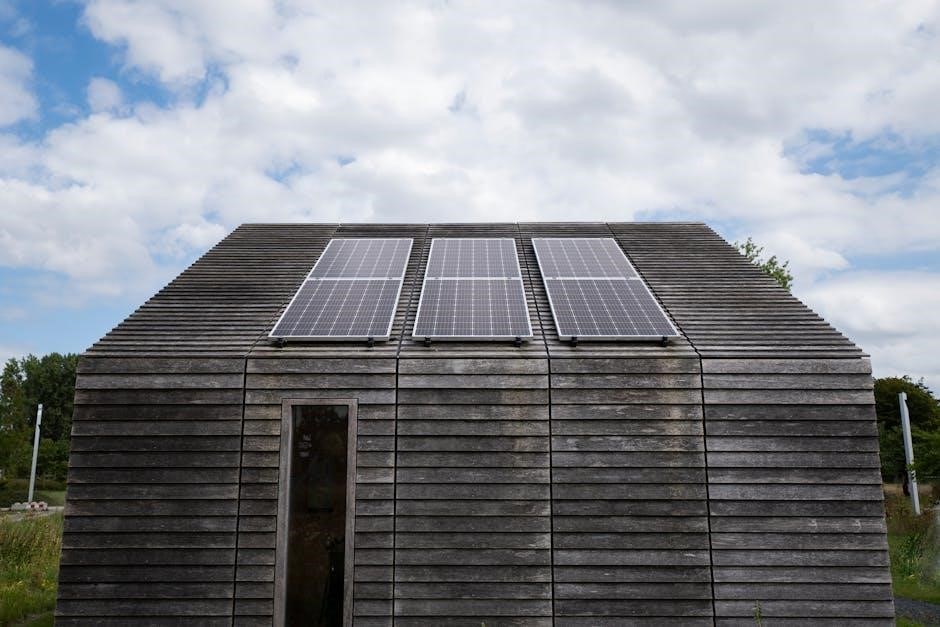
The increasing desire for off-grid power stems from a confluence of factors, notably the unreliability of centralized grids and a growing awareness of energy independence. Remote locations, naturally lacking grid access, heavily rely on self-sufficient power solutions. However, even areas with grid connections are experiencing more frequent and prolonged outages due to aging infrastructure and extreme weather events.
Furthermore, a surge in preparedness-minded individuals and families fuels the demand, seeking resilience against disruptions. Economic motivations also play a role; reducing or eliminating monthly electricity bills is a significant draw. The pursuit of sustainable living, minimizing environmental impact, and a desire to control one’s energy source are also key drivers. Consequently, the need for accessible information, like comprehensive guides and downloadable PDFs, regarding off-grid generator systems is rapidly expanding.
The “Lost Generator” & Similar DIY Solutions
The “Lost Generator,” developed by Barnaby Brown, a retired engineer, represents a popular trend: accessible, DIY power generation. Marketed as a solution to reduce electricity bills and prepare for outages, it promises beginner-friendly instructions for building a functional generator. However, numerous similar DIY plans circulate online, ranging in complexity and effectiveness.
These solutions often emphasize affordability and self-reliance, appealing to those seeking alternatives to commercially manufactured generators. Many rely on readily available materials and repurposed components. The proliferation of downloadable PDFs and online guides caters to this growing interest. However, critical evaluation is crucial; not all plans are safe, efficient, or even functional, necessitating careful research before implementation.
Barnaby Brown’s Lost Generator: Overview & Claims
Barnaby Brown’s “Lost Generator” is presented as a simple, cost-effective method for generating electricity independently. The core claim revolves around building a generator capable of powering essential appliances during grid outages or reducing reliance on utility companies. The system purportedly utilizes readily available, inexpensive materials, making it accessible to individuals with limited technical expertise.
Marketing materials emphasize ease of construction, with step-by-step instructions detailed in a downloadable PDF guide. Brown positions the generator as a solution for preparedness and self-sufficiency. However, independent verification of performance claims is limited, and user experiences vary. Potential buyers should approach the advertised benefits with cautious optimism and conduct thorough research.
Analyzing DIY Generator Plans & Their Effectiveness
DIY generator plans, often found in downloadable PDFs, range significantly in complexity and effectiveness. Many promise substantial energy output with minimal investment, but practical results often fall short of expectations. Key factors influencing success include the user’s mechanical aptitude, access to quality components, and adherence to safety guidelines.
Effectiveness hinges on accurate wattage calculations and realistic assessments of power needs. Plans lacking detailed schematics or clear instructions can lead to inefficient or even dangerous builds. Thoroughly vetting the source of the PDF is crucial, as some plans may contain errors or promote unsafe practices. Prioritizing safety and understanding electrical principles are paramount before attempting any DIY generator project.
Types of Generators for Off-Grid Living
Selecting the right generator for off-grid power demands careful consideration of various options. Gasoline generators offer affordability and high power output, but require consistent fuel supply and produce emissions. Propane generators provide cleaner burning and longer storage life, though often with reduced efficiency.
Solar generators, utilizing renewable energy, represent a sustainable choice, but depend on sunlight availability and battery capacity. Wind turbines harness natural wind energy, offering a consistent power source in suitable locations. Each type presents unique advantages and disadvantages, influencing suitability based on individual needs and environmental factors. Detailed PDFs often compare these options.
Gasoline Generators: Pros, Cons & Fuel Storage
Gasoline generators are widely accessible and relatively inexpensive, providing substantial power for various off-grid applications. However, they are known for their noise levels and reliance on a consistent gasoline supply. Fuel storage is a critical concern; gasoline degrades over time, necessitating stabilizers and proper container usage.
PDF guides emphasize the importance of storing gasoline away from living areas, in well-ventilated spaces, and adhering to local fire codes. Long-term storage requires careful planning to prevent fuel separation and engine issues. While convenient, gasoline generators demand diligent maintenance and safe fuel handling practices for reliable operation.
Propane Generators: Efficiency & Environmental Impact
Propane generators offer a cleaner-burning alternative to gasoline, producing fewer emissions and often running quieter. PDF resources highlight their efficiency, particularly in colder climates where gasoline can struggle. However, propane has a lower energy density than gasoline, potentially requiring larger fuel tanks for equivalent runtime.

Environmental impact is a key advantage, with reduced carbon emissions and less risk of fuel contamination. Proper ventilation remains crucial, though the risk of carbon monoxide buildup is generally lower. Detailed guides cover propane tank sizing, connection procedures, and safety precautions for optimal and responsible off-grid power generation.
Solar Generators: A Sustainable Off-Grid Option

Solar generators, often termed “portable power stations,” represent a truly sustainable off-grid solution. Free PDF downloads detail how these systems combine solar panels, batteries, and inverters to provide clean, renewable energy. Unlike traditional generators, they produce zero emissions during operation, minimizing environmental impact.
However, initial costs can be higher, and power output is dependent on sunlight availability. Comprehensive guides explain solar panel sizing, battery capacity calculations, and optimal placement for maximum energy capture. PDF resources also cover charging options, including AC and DC inputs, offering versatility for various off-grid scenarios.
Wind Turbines as Generators: Harnessing Natural Energy
Wind turbines offer another renewable pathway to off-grid power, converting kinetic energy into electricity. Free PDF guides illustrate the principles of wind energy, turbine types (horizontal and vertical axis), and site assessment for optimal performance. These resources detail tower construction, blade design, and generator specifications.
However, wind power is intermittent, dependent on consistent wind speeds. PDF downloads often include information on battery storage solutions to mitigate this variability, ensuring a reliable power supply. Understanding local wind patterns and regulations is crucial, and guides cover permitting processes and safety considerations for turbine installation and maintenance.
Essential Generator Specifications & Considerations
Selecting the right generator demands careful evaluation of key specifications. Comprehensive PDF guides detail wattage calculation, crucial for matching generator output to your energy needs. These resources explain surge vs. running wattage, and how to account for appliance startup demands. Runtime and fuel efficiency are also vital; PDFs offer charts comparing fuel consumption rates.
Furthermore, consider noise levels – important for residential areas – and adherence to environmental regulations. Downloadable manuals often include decibel ratings and emission standards. Understanding these factors ensures a practical and legally compliant off-grid power solution, maximizing generator lifespan and performance.

Wattage Calculation: Determining Your Power Needs
Accurately assessing your power requirements is paramount for off-grid success. Free PDF guides provide detailed methods for wattage calculation, starting with listing all appliances and devices. Determine the running wattage for each – the power needed to keep them operating – and the surge wattage, the extra power needed during startup.

Many downloadable resources offer handy wattage charts for common appliances. Sum the running wattages of all devices you anticipate using simultaneously. Add the highest surge wattage from any single appliance. This total dictates the minimum generator wattage needed, ensuring reliable power without overloading the system.
Runtime & Fuel Efficiency: Maximizing Generator Use
Understanding generator runtime and fuel efficiency is crucial for prolonged off-grid operation. Comprehensive PDF downloads detail how fuel consumption varies based on load. Lower loads generally equate to better fuel economy, extending runtime. Conversely, running a generator at full capacity drastically reduces efficiency.
Many guides emphasize the importance of proper maintenance – clean air filters and spark plugs – for optimal fuel usage. Calculating fuel needs based on anticipated runtime and load is essential. Consider fuel storage solutions and rotation strategies to maintain fuel quality. Efficient operation minimizes costs and ensures a dependable power supply.
Noise Levels & Environmental Regulations
Off-grid generator PDFs frequently address noise pollution, a significant concern for both users and neighbors. Generator noise is measured in decibels (dB), with lower dB levels being preferable. Many resources detail sound dampening techniques, like enclosures or strategic placement, to minimize disturbance.
Crucially, environmental regulations regarding generator emissions vary by location. Free downloadable guides often highlight local ordinances concerning permissible noise levels and exhaust emissions. Compliance is essential to avoid fines or legal issues. Consider opting for quieter, more environmentally friendly generator types, like propane or solar, to mitigate these concerns.
Finding Free Off-Grid Generator PDFs & Resources
Locating legitimate free PDFs requires careful navigation. Manufacturer websites often provide downloadable manuals for their generators, offering valuable operational and maintenance information. Government energy agencies and educational institutions sometimes publish guides on off-grid power systems, including generator sections.
Beware of websites promising “lost” or miracle generator plans – many are scams. Reputable online forums and communities dedicated to off-grid living frequently share user manuals and helpful resources. Always verify the source’s credibility before downloading any PDF to protect your device from malware and ensure accuracy.
Legitimate Sources for Generator Manuals & Guides
Directly from manufacturers like Honda, Generac, and Yamaha, official websites offer comprehensive PDF manuals for their generator models. These provide detailed instructions, troubleshooting tips, and safety guidelines. Retailer websites – Home Depot, Lowe’s, and Amazon – often host downloadable manuals for products they sell.
Energy.gov, the U.S. Department of Energy’s website, provides resources on generator safety and efficiency. EPA (Environmental Protection Agency) offers guides on emissions standards and responsible generator use. Educational institutions with engineering or sustainable energy programs may publish relevant research or guides freely available online.
Identifying & Avoiding Scam PDF Downloads

Be wary of websites promising “free” PDFs requiring extensive personal information or subscriptions. Look for secure website addresses (HTTPS) and check for legitimate contact details – a physical address and phone number are good signs. Avoid sites with excessive ads, poor grammar, or overly sensational claims, like guaranteed energy independence with minimal effort.

Scan downloaded PDFs with updated antivirus software before opening. Verify the source; if a PDF originates from an unknown or suspicious website, proceed with caution. Cross-reference information with official manufacturer manuals to ensure accuracy. Trust reputable sources and avoid clicking on pop-up offers for “essential” generator guides.
Reviewing Online Forums & Communities for Shared Plans
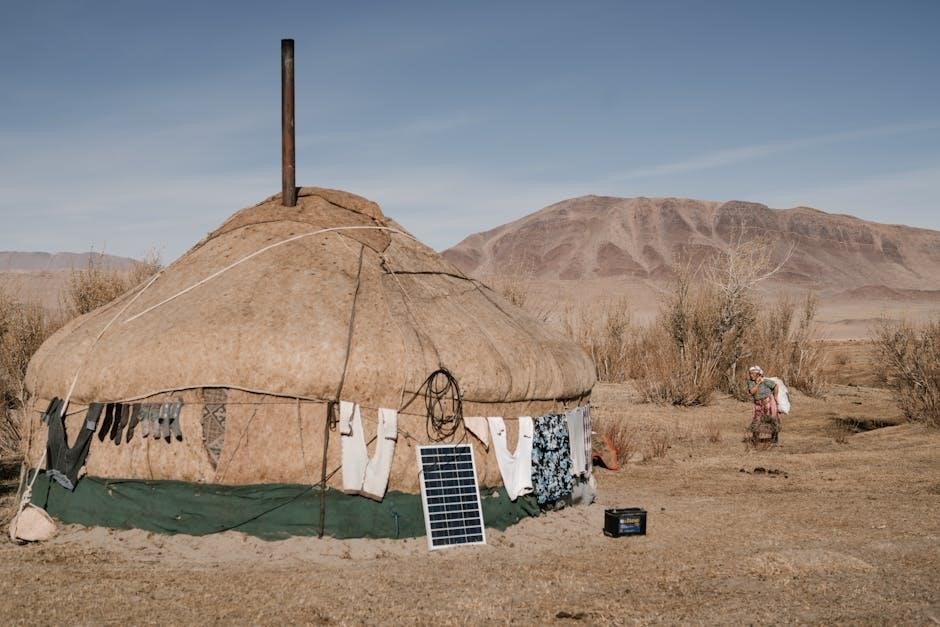
Engage with online forums and communities dedicated to off-grid living and generator technology. These platforms often host user-shared plans, troubleshooting advice, and reviews of various generator models. However, exercise caution and critically evaluate information before implementing any DIY plans.
Look for experienced members with a proven track record of successful projects. Compare multiple sources and verify the accuracy of schematics and wiring diagrams. Be mindful of potential safety hazards and consult with qualified electricians when necessary. Remember that shared plans may not be professionally vetted, so proceed at your own risk and prioritize safety.
Safety Precautions When Using Off-Grid Generators
Prioritize safety when operating off-grid generators, as improper use can lead to severe consequences. Always operate generators outdoors in a well-ventilated area to prevent carbon monoxide poisoning, a silent and deadly threat. Install carbon monoxide detectors inside your home as a crucial safety measure.
Ensure proper grounding and wiring to avoid electrical shocks and fires. Follow manufacturer’s instructions meticulously for maintenance and troubleshooting. Regularly inspect the generator for fuel leaks or damaged components. Store fuel safely in approved containers away from living areas. Never overload the generator, and always disconnect appliances before refueling.
Carbon Monoxide Poisoning: Prevention & Detection
Carbon monoxide (CO) is a colorless, odorless gas produced by fuel-burning generators, posing a significant threat. Prevention is paramount: operate generators outdoors, at least 20 feet from windows, doors, and vents. Never use a generator inside a home, garage, or any enclosed space, even with ventilation.
Install battery-operated or battery backup CO detectors on every level of your home, especially near sleeping areas. Test detectors monthly and replace batteries twice a year. Recognize symptoms of CO poisoning – headache, dizziness, weakness, nausea, vomiting, and confusion. If symptoms appear, immediately move to fresh air and seek medical attention.
Electrical Safety: Grounding & Wiring Best Practices
Prioritize electrical safety when integrating a generator into your off-grid system. Proper grounding is crucial to prevent shocks and protect equipment; always connect the generator to a grounding rod. Use heavy-duty, outdoor-rated extension cords, ensuring they are the correct gauge for the load. Avoid overloading circuits – calculate wattage needs accurately before connecting appliances.
Never backfeed power into the utility grid, as this endangers line workers and can damage equipment. Consider a transfer switch for safe and legal power distribution. Inspect wiring regularly for damage and ensure all connections are secure. If unsure about any electrical work, consult a qualified electrician.
Generator Maintenance & Troubleshooting
Regular maintenance extends your generator’s lifespan and ensures reliable performance. Change the oil according to the manufacturer’s recommendations, and check air filters frequently, cleaning or replacing them as needed. Inspect spark plugs and fuel lines for wear and tear. Stabilize fuel during storage to prevent degradation.
Troubleshooting common issues like starting problems often involves checking fuel levels, spark plugs, and air filters. If the generator runs roughly, examine the carburetor. Consult the owner’s manual for specific troubleshooting steps and diagrams. Remember to disconnect the generator before performing any maintenance or repairs.