Overview of the 2018 Subaru Outback Maintenance Schedule
Owners can download the official maintenance guide from Subaru’s website, which details service intervals, fluid changes, and inspection points. The PDF lists mileage and time thresholds for oil, filters, brakes, and seasonal checks, ensuring the Outback stays reliable.
Check online guide.
Schedule Format & PDF Acquisition

The 2018 Subaru Outback maintenance schedule is presented in a clear, dual‑column format that pairs mileage intervals with calendar dates. Each row lists a specific service item—such as oil change, filter replacement, or inspection—alongside the recommended mileage (e.g., 5,000 miles) and the corresponding time frame (e.g., every 6 months). This dual‑tracking approach allows owners to plan maintenance whether they drive frequently or only occasionally. The official PDF is available directly from Subaru’s global website under the “Owner’s Manual” section. Users can navigate to the 2018 model page, select “Maintenance & Service” and then click the “Download PDF” button. The file is named “Outback_2018_Maintenance_Schedule.pdf” and is free to download after a brief email sign‑up. Once opened, the document can be printed or saved to a mobile device for quick reference while on the road. followed by detailed subsections for engine, transmission, brakes, and seasonal care. Each subsection contains checklists and visual icons to aid in quick identification of required tasks. Subaru also offers a mobile app that syncs the PDF schedule and can send reminders when a service interval is approaching. By keeping the PDF handy, owners can avoid missed maintenance and maintain warranty compliance. Owners should also consult the vehicle’s service booklet for any model‑specific variations, ensuring that every maintenance task aligns with Subaru’s recommended intervals.
Mileage vs Time Guidelines
Subaru’s 2018 Outback maintenance schedule pairs mileage milestones with calendar dates to ensure timely service regardless of driving habits. The table lists intervals such as 5,000 miles or six months for oil changes, 10,000 miles or 12 months for air‑filter replacement, and 15,000 miles or 18 months for brake‑fluid checks. For the 2.5‑liter engine, the first oil change occurs at 5,000 miles or six months, whichever comes first, and subsequent changes follow the same pattern. Transmission fluid is replaced every 30,000 miles or 36 months, while the differential fluid is refreshed at 60,000 miles or 72 months. Brake pads are inspected at 10,000 miles or 12 months and replaced at 30,000 miles or 36 months, with rotors checked at 20,000 miles or 24 months. Tire rotation is recommended every 7,500 miles or six months to promote even wear. The schedule also highlights seasonal checks: battery inspection at 12,000 miles or 24 months, coolant replacement at 30,000 miles or 36 months, and power‑steering fluid at 20,000 miles or 24 months. Subaru’s guidance emphasizes that if a vehicle is driven in harsh conditions—such as extreme heat, cold, or dusty environments—intervals may need to be shortened. Owners can view the full table in the downloadable PDF, which includes icons and color coding for quick reference. Keep the service log updated for warranty verification.!!!?
Engine & Transmission Maintenance
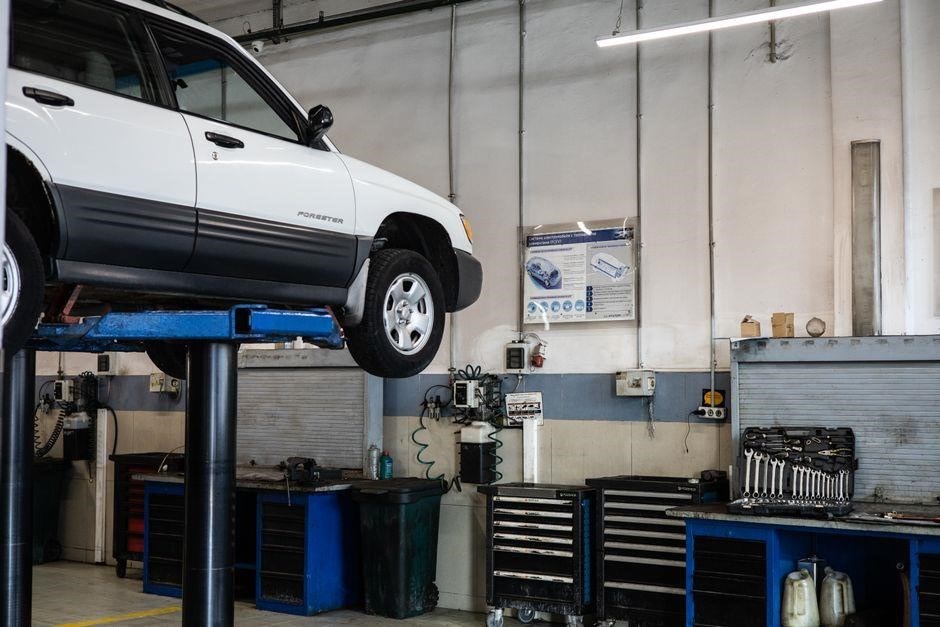
Oil changes every 5,000 miles or six months. Replace transmission fluid at 30,000 miles or 36 months. Check engine coolant at 30,000 miles or 36 months. Inspect timing belt at 60,000 miles or 72 months. Keep logs for warranty. and spark plugs at 60k.!!!
Oil and Filter Changes
For the 2018 Subaru Outback, Subaru recommends changing the engine oil and filter every 5,000 miles or six months, whichever comes first, to maintain optimal engine performance and longevity. Use 0W‑20 synthetic blend or full synthetic oil that meets Subaru’s specifications (API SN or higher). The factory‑installed oil filter should be replaced at the same interval. If you drive in severe conditions—such as extreme temperatures, dusty environments, or frequent short trips—consider reducing the interval to 3,000 miles or three months. Always check the oil level after each change and top off with the correct oil grade. The oil dipstick should be inspected at every service visit to ensure the oil level remains within the recommended range. Proper oil changes help prevent sludge buildup, reduce engine wear, and keep the catalytic converter functioning efficiently. Keep a detailed service log in the vehicle’s owner’s manual or a digital record to track each oil change date and mileage, which is essential for warranty compliance and resale value. When performing an oil change, always use a torque wrench to tighten the oil drain plug to the manufacturer’s specified torque. Inspect the oil filter housing for leaks before reassembling. After refilling, run the engine for a few minutes and check for any abnormal noises or leaks. Record the mileage and date in a maintenance log. Regular oil changes not only protect the engine but also help maintain fuel economy and reduce emissions. Keep oil fresh now.

Transmission Fluid Replacement
Subaru’s 2018 Outback is equipped with a continuously variable transmission (CVT) that requires periodic fluid changes to preserve smooth operation and extend component life. The manufacturer’s service manual specifies a fluid replacement every 30,000 miles or 36 months, whichever occurs first. For drivers who frequently use the vehicle in severe conditions—such as towing, steep inclines, or heavy traffic—an earlier change at 20,000 miles is advised. The recommended fluid is Subaru’s own CVT transmission fluid (type 5W‑30 or equivalent), which contains the necessary additives for friction control and wear protection. Prior to draining, the transmission should be warmed to operating temperature to ensure complete flow. After draining, the fluid reservoir should be inspected for metal shavings or discoloration; any presence of debris indicates internal wear and may warrant a full transmission inspection. When refilling, use a funnel to avoid spills and fill to the “MAX” line, then re-check the level with the dipstick or electronic sensor as specified in the owner’s manual. Keep a detailed log of each fluid change, noting mileage, date, and any observations. Regular fluid replacement reduces friction, improves shift quality, and helps prevent costly repairs such as clutch or bearing failure. Following the schedule not only maintains performance but also protects the vehicle’s resale value. After each change, monitor the transmission’s shift feel and listen for any unusual noises. If the vehicle exhibits delayed engagement or harsh shifting, schedule a diagnostic check. The CVT’s internal components are sensitive to contamination; therefore, using a high‑quality filter during the change can further protect the system. Subaru recommends using the factory filter or a compatible OEM replacement. Replace the filter at the same interval as the fluid. Document the filter replacement in the service log. By adhering to this schedule, owners can avoid the expensive cost of a transmission rebuild or replacement, which can exceed $5,000. The 2018 Outback’s CVT is designed for durability, but proper maintenance is essential to realize that longevity. Keep the fluid clean, change on schedule, and the transmission will continue to deliver the smooth, efficient performance Subaru is known for.

Brakes & Suspension
Inspect brake pads and rotors every 10,000 miles or annually. Replace pads when thickness <3 mm; resurfacing rotors if cracks appear. Check shocks and struts at 20,000‑mile intervals; replace if sagging or noise. Log wear for timely service. Maintain a log to track wear and schedule replacements.

Brake Pad & Rotor Replacement
Additionally, the PDF advises checking rotor surface temperature during a drive; a hot spot may signal uneven wear. Use a caliper to measure thickness at points. If any point is below the factory minimum, replace the rotor. Inspect brake lines for leaks and clean ABS sensor. For drivers in terrain, consider a compound to handle increased braking demand. Keep spare pads and rotors in trunk to avoid downtime— log!!!.
Suspension Fluid & Shock Absorber Checks
According to the official 2018 Subaru Outback maintenance PDF, the suspension system uses a sealed reservoir that should be inspected at every 30 000‑mile service interval or 24 months, whichever comes first. The fluid should be clear and free of metal shavings; a cloudy appearance indicates contamination and warrants replacement. Use a dipstick or the factory‑provided gauge to verify the level is within the “Full” and “Low” marks. If the fluid is below the low mark, top it up with the manufacturer‑specified type (typically a 0.5 % synthetic blend) and note the change in the service log. Check for coolant leaks during the same visit. Use a pressure gauge OK

Shock absorbers and struts should be examined for visible leaks, oil seepage, and physical damage. The PDF recommends a visual inspection of the mounting bolts for looseness and a bounce test: press the vehicle’s front or rear corners and observe the rebound. Excessive sag or a “squishy” feel indicates worn dampers and should be replaced. For models equipped with the X‑Line suspension, a factory‑approved shock replacement kit is available and should be installed by a professional to maintain warranty coverage.
Record all findings in the maintenance log, and schedule a professional inspection if any irregularities are noted. Proper fluid maintenance and shock replacement extend ride comfort and vehicle safety, especially on rough roads or during off‑road excursions.
Fluid Checks & Filters
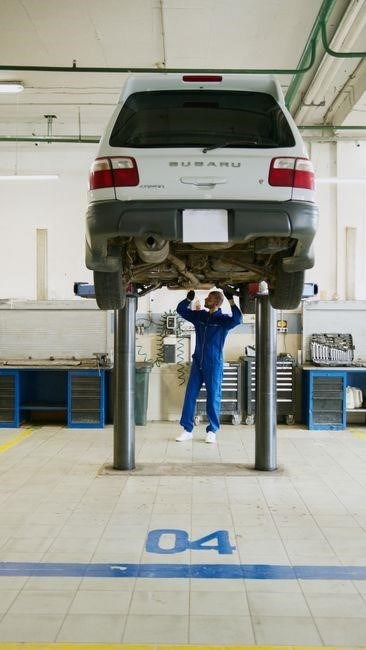
The 2018 Outback PDF lists oil, coolant, power steering, and transmission fluid changes at 10,000‑mile or 12‑month intervals. Replace the engine filter every 20,000 miles, and the cabin filter at 30,000. Log each service in the owner’s manual. Check filter.!!.
Coolant and Radiator Maintenance
According to the 2018 Subaru Outback maintenance PDF, the coolant should be inspected at every oil change and replaced every 60,000 miles or 5 years, whichever comes first. The recommended coolant is Subaru’s 5‑Year/60,000‑mile coolant, a non‑ethylene glycol mixture that protects against corrosion and overheating. Before refilling, flush the radiator and heater core with a 50/50 solution of distilled water and Subaru coolant. Inspect the radiator cap for proper pressure retention; a cracked or warped cap can cause coolant loss and overheating. Check the coolant level in the reservoir, ensuring it sits between the “MIN” and “MAX” marks. If the coolant appears dark or contains debris, drain and replace it immediately. Also, inspect the heater hoses for leaks, cracks, or bulges, and replace any that show signs of wear. Finally, after refilling, run the engine to the operating temperature and check for leaks or pressure drops. Log the service in the owner’s manual and set the next coolant change at 60,000 miles or 5 years. Proper coolant maintenance keeps the engine within safe temperature ranges and prevents costly head‑gasket failures. Additionally, inspect the radiator fan belt for wear, ensuring it is tight and free of cracks; a slipping belt can reduce cooling efficiency. Verify the radiator’s upper and lower hoses for bulges or leaks, and replace any that show signs of deterioration. Keep the coolant reservoir cap sealed to prevent evaporation and maintain proper pressure. Check coolant level.!!
Power Steering Fluid & Filter
Subaru’s 2018 Outback maintenance schedule specifies a power‑steering fluid inspection every 30,000 miles or twice a year, whichever comes first. The vehicle uses a 5‑year/30,000‑mile fluid that is compatible with the dual‑pump system and provides the necessary hydraulic pressure for smooth steering. At the scheduled interval, the owner should drain the old fluid, replace the filter, and refill with the manufacturer’s recommended fluid. The filter, located on the steering rack, is a 5‑year/30,000‑mile filter that should be inspected for clogging or debris; a clogged filter can cause a whining noise or a loss of steering feel. To replace the filter, remove the old one, install a new filter, and purge the system by turning the steering wheel through several full turns to eliminate air pockets. After refilling, check for leaks around the steering rack and the hydraulic lines. The fluid level should be at the “MAX” mark on the reservoir; if it is below, top up with the correct fluid. Log the service in the owner’s manual and set the next inspection at 30,000 miles or 2 years. Proper fluid maintenance ensures smooth steering, prevents premature wear of the steering rack, and reduces the risk of a steering failure. Additionally, inspect the steering column for any signs of wear or damage, and replace any worn components as needed. Verify that the power‑steering pump operates quietly and without vibration. Finally, ensure the fluid is clear and free of metallic particles, which could indicate internal damage. If the power‑steering fluid appears discolored or contains debris, drain and replace immediately to avoid damage to the steering rack. Use Subaru Genuine Power‑Steering Fluid (SPF) to maintain warranty compliance. After service, reset the maintenance reminder if the vehicle’s system allows. If the vehicle is driven in extreme temperatures, consider inspecting the fluid more frequently. Keep a spare filter in the trunk for emergency replacement. The filter housing is located near the lower steering rack, and the filter can be accessed by removing the lower steering column cover. When draining, place a container beneath the reservoir to catch the old fluid for proper disposal. Always use a clean, dry container to avoid contamination. This comprehensive approach keeps the steering system reliable and extends the life of the Outback’s drivetrain.
Seasonal & Miscellaneous
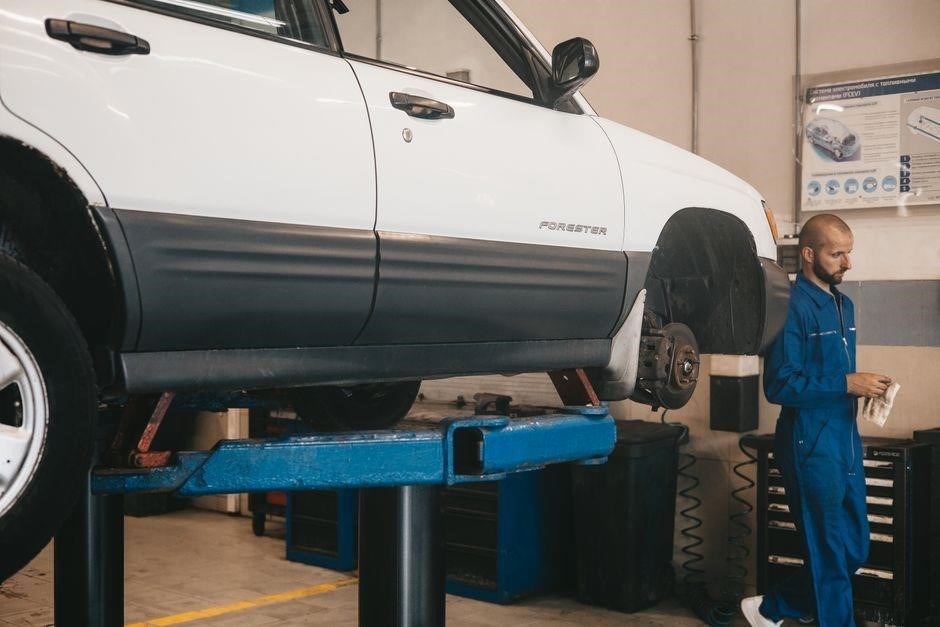
Prepare the Outback for seasonal shifts: check tire pressure, replace winter tires, inspect battery, clean cabin filters, and test AC. Schedule a pre‑winter service at 30,000 miles, and a summer tune‑up for cooling system and brakes. Keep logs Check fluid levels and replace if needed promptly!
Winter Preparation & Winter Tires
Before the first snowfall, the 2018 Subaru Outback should undergo a comprehensive winter readiness check. Start by inspecting the battery: ensure it is fully charged and terminals are clean to avoid starting issues in sub‑zero temperatures. Replace the cabin air filter if it’s clogged, as cold air can carry more dust. Verify that the windshield wipers are in good condition and that the washer fluid is winter‑rated to prevent freezing. Check the tire tread depth; if it’s below 3 mm, replace them with all‑season or dedicated winter tires that provide better traction on ice and snow. Adjust tire pressure to the manufacturer’s recommended level, typically 30–32 psi, as lower pressure can reduce grip. Inspect the brakes for wear and ensure the brake fluid is topped up; a low fluid level can compromise braking performance. Examine the suspension for any leaks in the shocks or struts, as cold weather can cause fluid to thicken. Confirm that the power steering fluid is at the proper level and that the steering wheel turns smoothly. Test the heating system to ensure it delivers adequate warmth, and check the coolant level and mixture, adding antifreeze if necessary. Finally, store the vehicle in a garage or use a car cover to protect it from snow accumulation and road salt. Following these steps will help maintain safety and reliability throughout the winter season. Adhering to Subaru’s official maintenance schedule PDF ensures optimal performance and extends the life of your Outback. Checks keep ride safe
Summer Maintenance & Air Conditioning
During the hot months, the 2018 Subaru Outback’s cooling system requires diligent care to keep the cabin comfortable and the engine protected. Begin by inspecting the cabin air filter; a clogged filter can reduce airflow and raise interior temperatures. Next, check the refrigerant level in the HVAC system—low charge can lead to inadequate cooling and compressor strain. If the level is below the manufacturer’s specification, have a certified technician recharge the system with R‑134a refrigerant and inspect for leaks. Inspect the AC compressor clutch for smooth engagement; a slipping clutch can indicate wear or low refrigerant. Verify that the condenser and evaporator coils are free of debris and that the fan motors spin properly. Inspect the coolant reservoir and radiator for leaks, and ensure the coolant mixture is correct (50/50 antifreeze to water) to prevent overheating. Inspect the thermostat housing for leaks and confirm the thermostat opens at the correct temperature. Check the drive belt for wear and proper tension, as a loose belt can reduce AC compressor efficiency. Regular checks also help prevent costly repairs and keep your vehicle running smoothly. Additionally, inspect the A/C compressor oil level for optimal performance. Adhering to these steps, as outlined in the official maintenance schedule PDF, will extend the life of the HVAC components and keep the Outback comfortable during summer road trips. forsafety.and